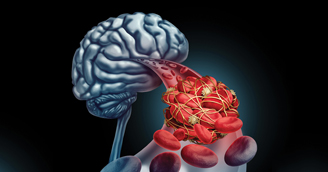
What is Acute Stroke?
An acute stroke occurs when the blood supply to a part of the brain is suddenly interrupted or reduced, leading to brain cell damage. It is a medical emergency that requires immediate attention to prevent long-term disability or life-threatening complications.
Early recognition and timely treatment play a crucial role in improving recovery and outcomes.
Types of Stroke
- Ischemic Stroke – Caused by blockage in blood vessels supplying the brain
- Hemorrhagic Stroke – Caused by bleeding in or around the brain
- Transient Ischemic Attack (TIA) – Temporary blockage often called a mini-stroke
Symptoms of Stroke
Common warning signs include:
- Sudden weakness or numbness on one side of the body
- Difficulty speaking or understanding speech
- Sudden vision problems
- Loss of balance or coordination
- Severe sudden headache
Diagnosis and Evaluation
Prompt diagnosis is essential to determine the type and severity of stroke.
- CT Scan or MRI of the brain
- Blood tests
- Vascular imaging (CT Angiography / MR Angiography)
- Cardiac evaluation if required
Acute Stroke Treatment
Treatment depends on the type of stroke and time of presentation.
- Intravenous thrombolysis (tPA) to dissolve clots in ischemic stroke
- Mechanical thrombectomy for removal of large vessel clots
- Blood pressure and supportive management
- Intensive monitoring in stroke unit
Early intervention significantly improves recovery and reduces complications.
Prevention
Reducing risk factors plays a key role in stroke prevention.
- Control blood pressure and diabetes
- Maintain healthy cholesterol levels
- Avoid smoking and excessive alcohol
- Regular exercise and healthy diet
- Timely treatment of heart and vascular conditions
Please Check Here for More Information - Important Iinks